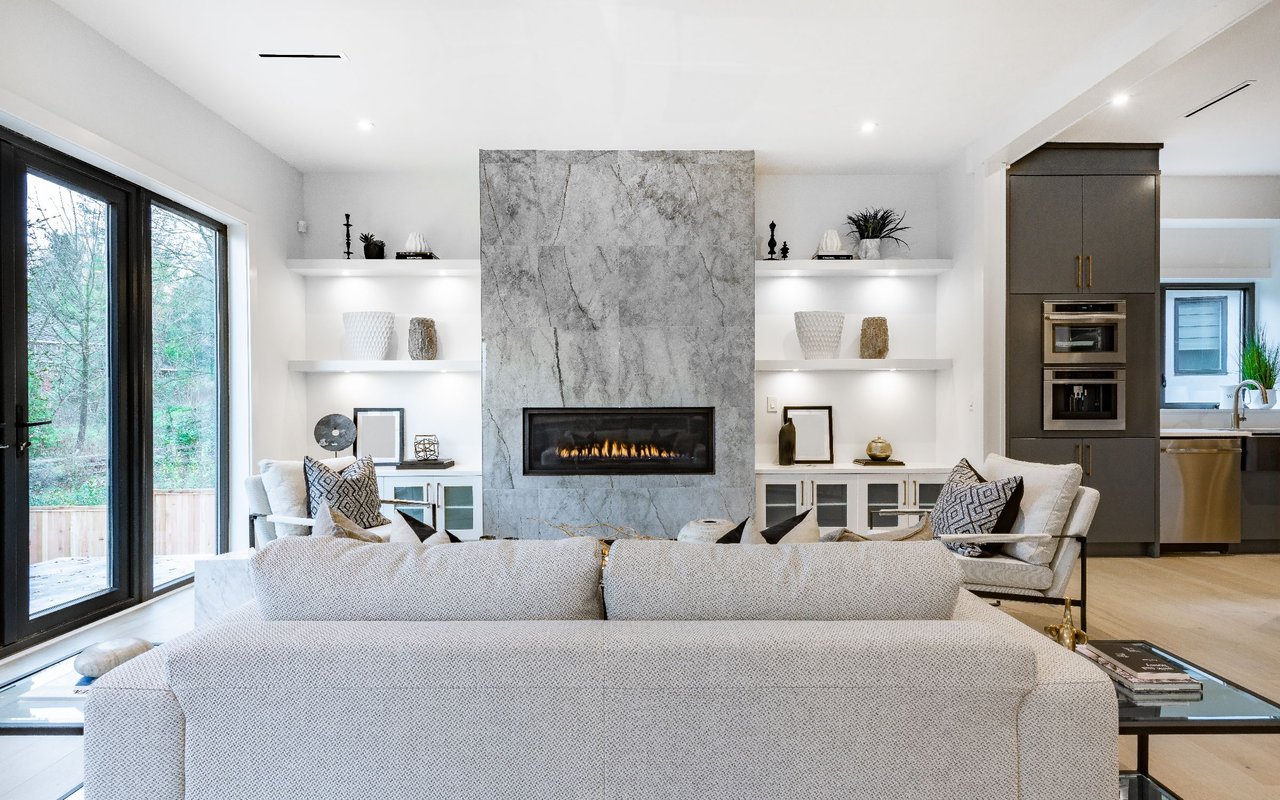
Historic Geneseo Homes: What to Check Before You Fall in Love
Buyers Justine Fox September 8, 2026
Buyers Justine Fox September 8, 2026
Original woodwork has a way of stopping buyers in their tracks. Add tall windows, a broad front porch, detailed masonry, and a floor plan that feels nothing like the house next door, and it is easy to start imagining your life there before you have even reached the basement.
That emotional pull is part of what makes Geneseo’s older homes so special. These properties can offer craftsmanship, history, and personality that are difficult to reproduce in newer construction. Still, charm should open the conversation, not end the investigation.
Buying a historic home in Geneseo, NY, means looking closely at the systems behind the architecture, the records behind past renovations, and the rules that may affect what you hope to change. The goal is not to assume every old house is fragile or every project is restricted. It is to understand what you are buying before the beautiful staircase makes every other detail feel secondary.
One of the most common myths about older homes is that age automatically makes a property legally historic. Another is that any home described as historic can never be changed. Neither assumption is reliable.
A house may be old without appearing in a historic inventory. It may be recorded as a historic resource but not formally listed. It may be individually listed on the State or National Register of Historic Places, or it may sit inside a listed or surveyed historic district. Those situations can carry different practical implications.
New York’s Cultural Resource Information System, commonly called CRIS, allows buyers to search historic-resource records, district boundaries, inventory forms, photographs, surveys, and State or National Register documentation. Search the property by location and review both the individual parcel and any district surrounding it.
State or National Register listing by itself does not necessarily prevent a private owner from altering a property when no state or federal approval, assistance, license, funding, or local restriction is involved. Additional review may be required when a project uses preservation tax credits or grants, requires certain public approvals, involves government-supported work, or affects a resource protected by local regulations.
That is why buyers should confirm the property’s exact status rather than relying on phrases such as “historic district home” in a listing. They should also ask Village officials whether local zoning, permit requirements, façade guidance, or other municipal rules apply to the work they have in mind.
Older homes should not automatically be treated as structurally troubled. Many have stood for generations because they were well built and consistently maintained. The important question is not simply how old the house is, but how its structure has performed and changed over time.
Look for foundation movement, uneven floors, bowed walls, recurring basement moisture, deteriorated mortar, damaged framing, and evidence of structural repairs. A small crack may be harmless, while a freshly covered wall may deserve a closer look. The condition, location, pattern, and history matter more than one visual clue.
Drainage should be part of the same conversation. Check grading, gutters, downspouts, window wells, exterior drains, retaining walls, and the way water travels across neighboring lots. Ask whether the basement has flooded, whether sump pumps run regularly, and whether moisture appears after heavy rain or snowmelt.
A general home inspector can help identify concerns, but unusual movement, altered framing, masonry failure, or persistent water entry may call for a structural engineer, drainage specialist, mason, or contractor experienced with older construction.
Review the roof’s age, materials, repair history, flashing, valleys, gutters, and ventilation. Ask whether multiple roofing layers are present and whether any sections have been replaced separately. In the attic, look for staining, patched decking, inadequate airflow, daylight around penetrations, and evidence of older leaks.
Chimneys should be evaluated for masonry deterioration, damaged liners, improper venting, abandoned flues, and water intrusion. A fireplace that looks wonderful in listing photographs may still need inspection before use.
Porches deserve more than a quick walk-through as well. Check foundations, columns, railings, stairs, roof connections, framing, and drainage. Decorative wood can sometimes be repaired rather than replaced, but the underlying structure must first be understood.
A home built more than a century ago may have a modern electrical panel, a twenty-year-old roof, original plumbing in one room, replacement plumbing in another, and several generations of heating equipment hidden behind finished walls.
Ask about the electrical service size, panel condition, grounding, outlet protection, and the presence of older wiring types. Confirm whether visible upgrades were part of a complete electrical project or only a partial renovation. New outlets and fixtures do not prove that everything behind the walls was replaced.
Plumbing materials can also vary throughout the house. Inspect supply lines, shutoff valves, drains, venting, water pressure, and evidence of past leakage. Buyers should confirm the condition and route of the sewer lateral rather than focusing only on the fixtures inside the home.
Ask for building and zoning permits, variance decisions, certificates, inspection records, surveys, deeds, prior listings, seller disclosures, contractor invoices, warranties, architectural drawings, and renovation plans. Compare those documents with the home as it exists today.
The Village of Geneseo’s Code Enforcement office administers building permits, zoning compliance, variance procedures, and other property-related reviews. Its website provides permit applications, zoning resources, a historic-district zoning map, and renovation guidance. Buyers should contact the office directly about the records and requirements affecting a specific address.
Ask practical questions:
Was the addition permitted and inspected?
Is the finished attic approved for its present use?
Did removing a wall alter the home’s structure?
Were plumbing and electrical permits issued?
Were exterior changes subject to zoning or façade review?
Are there unresolved violations or incomplete permits?
A beautiful renovation may have been completed thoughtfully. Documentation helps establish that it was also reviewed appropriately.
Before removing original windows, trim, plaster, doors, flooring, masonry, or porch details, speak with contractors and preservation professionals who understand older building methods. Character-defining materials were often built to be repaired, and a specialist may offer options that a general replacement quote overlooks.
At the same time, “preserving character” should never become an excuse to ignore safety, moisture, structural movement, or failed systems. The best approach respects both the home’s architecture and the realities of living in it.
The right historic or older Geneseo home can offer something genuinely special: craftsmanship, personality, and a connection to the village that newer properties may not replicate. You are allowed to love the staircase, the porch, and the uneven little details that give the house its identity.
Review the structure and moisture conditions, trace the age and condition of major systems, investigate environmental materials responsibly, search permits and approvals, and confirm whether the property is formally listed or located within a historic district. Then evaluate your renovation plans with the people qualified to answer each question, including inspectors, engineers, contractors, attorneys, municipal officials, environmental professionals, and preservation specialists.
Thinking about buying a historic home in Geneseo, NY? Contact Justine Fox and Empire Realty Group to review the property’s history, organize the right questions, and build a due-diligence plan before the architecture sweeps you completely off your feet.
No. An older home may have architectural or community significance without being individually listed, located in a registered district, or formally protected. Buyers should check CRIS and confirm the property’s local status with Village officials.
A private owner is not necessarily prohibited from altering a National Register-listed property when no state or federal involvement or local restriction applies. Public funding, permits, tax credits, grants, and local rules may create additional review requirements, so the exact project and property status must be confirmed.
Begin with an inspector experienced in older homes. Depending on the findings, additional evaluations may be appropriate for the structure, chimney, roof, sewer lateral, electrical system, plumbing, environmental materials, drainage, heating equipment, or other specialized areas.
Contact the Village of Geneseo Code Enforcement office for Village properties. Ask about building and zoning permits, variances, certificates, inspection records, violations, and approvals tied to the exact address.
Justine Fox is a top-performing real estate agent serving Geneseo, Dansville, and communities throughout Livingston County. She has helped hundreds of buyers and sellers navigate the local market by combining deep regional knowledge with a personal, practical approach to every transaction.
With 651 career transactions and more than 75 homes sold in 2025 alone, Justine understands that buying an older home requires more than admiring its architectural character. She helps buyers identify the records they need, ask sharper questions, and involve qualified professionals before making major decisions.
Justine has earned 35+ five-star Google reviews, 40+ five-star Zillow reviews, and recognition from FastExpert as the top real estate agent in Dansville.
Buyers
Historic Geneseo Homes: What to Check Before You Fall in Love

Real Estate
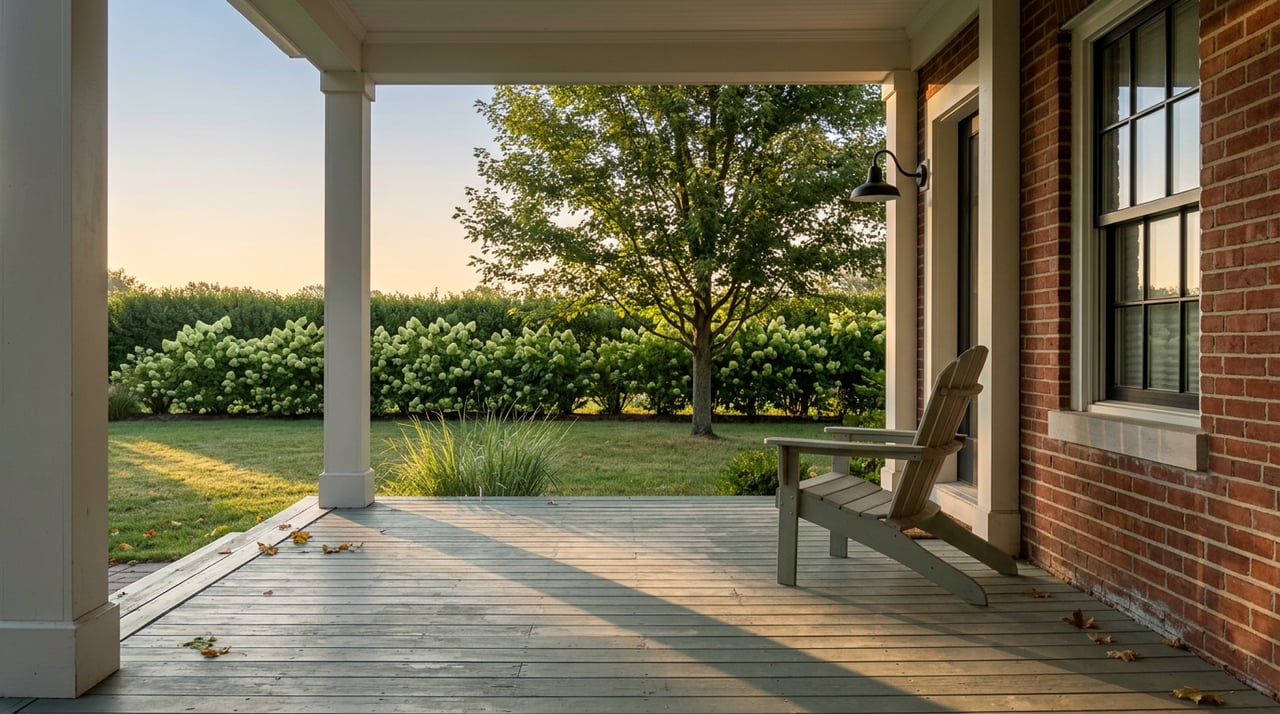
Geneseo’s Oak and Second Street Project: What Comes Next?

Real Estate
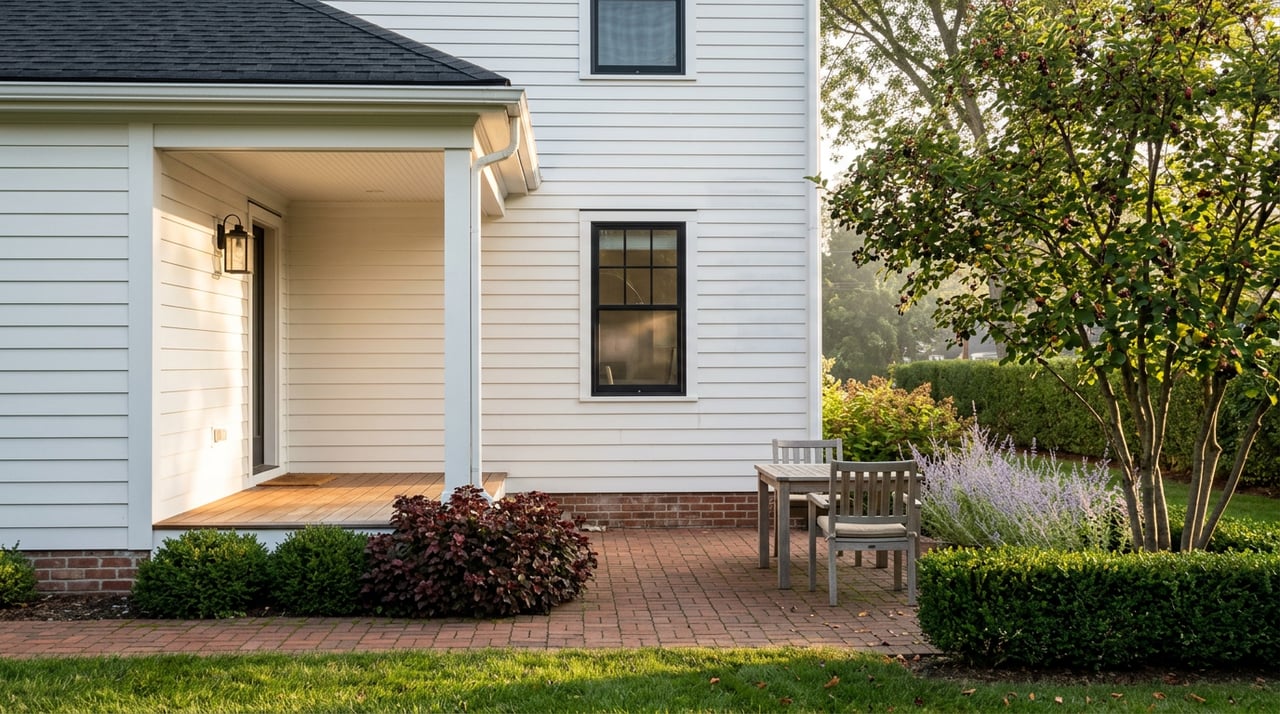
Buying a Home With Acreage Near Wayland: What Should You Check First?
Real Estate
Dansville Home Prices in 2026: Cooling or Holding Steady?
Get assistance in determining current property value, crafting a competitive offer, writing and negotiating a contract, and much more. Contact me today.