Why Hornell Home Prices Are Falling While Homes Sell Faster This Summer
August 20, 2026
August 20, 2026
Two houses closed in Hornell this year for numbers that shouldn't sit in the same market report. A three bedroom on North Main Street, built in 1935, sold for $157,000 in 24 days. A four bedroom on Adsit Place, built in 1890, sold for $85,000 after sitting on the market for 101 days. Same city. Same zip code. A $72,000 gap and a price per square foot that ranges from $37 to $89 depending on which house you look at.
If you've been watching Hornell's numbers from the outside, you've probably seen the headline version: median sale price down 13.6% year over year to $99,840 as of May 2026, days on market down 57% to a median of 32 days as of June 2026. Those two numbers, read together, don't make sense. Falling prices are supposed to come with buyers taking their time, sitting on offers, waiting to see if the number drops further. Falling prices paired with homes selling in a month usually means something else is happening under the average.
In Hornell, it is. The median isn't describing one market. It's blending two.
Look at what actually sold this year and the pattern becomes obvious.
| Address | Built | Sold Price | Days on Market | Price per SF |
|---|---|---|---|---|
| 67 N Main St | 1935 | $157,000 | 24 | $89 |
| 35 Ransom St | 1900 | $165,000 | 65 | $69 |
| 422 Monroe Ave | 1900 | $64,000 | 53 | $63 |
| 17 Adsit Place | 1890 | $85,000 | 101 | $37 |
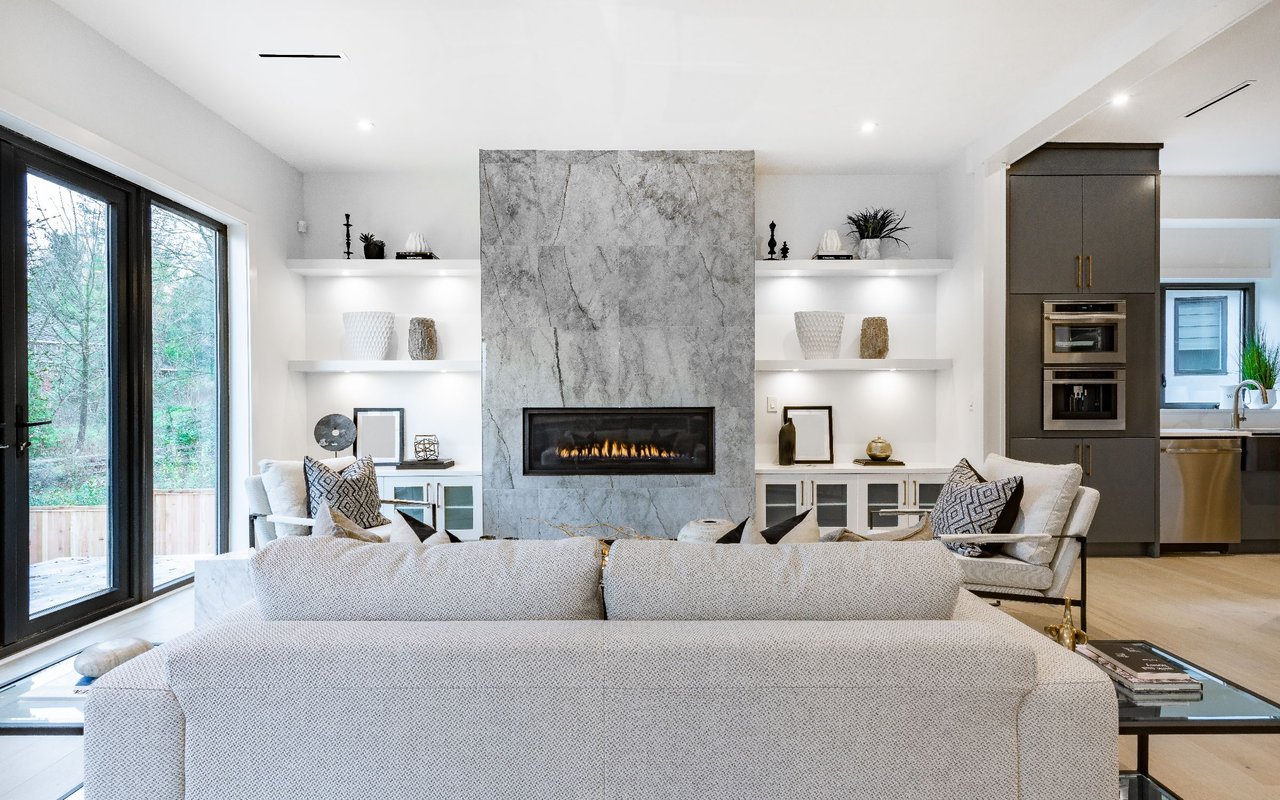
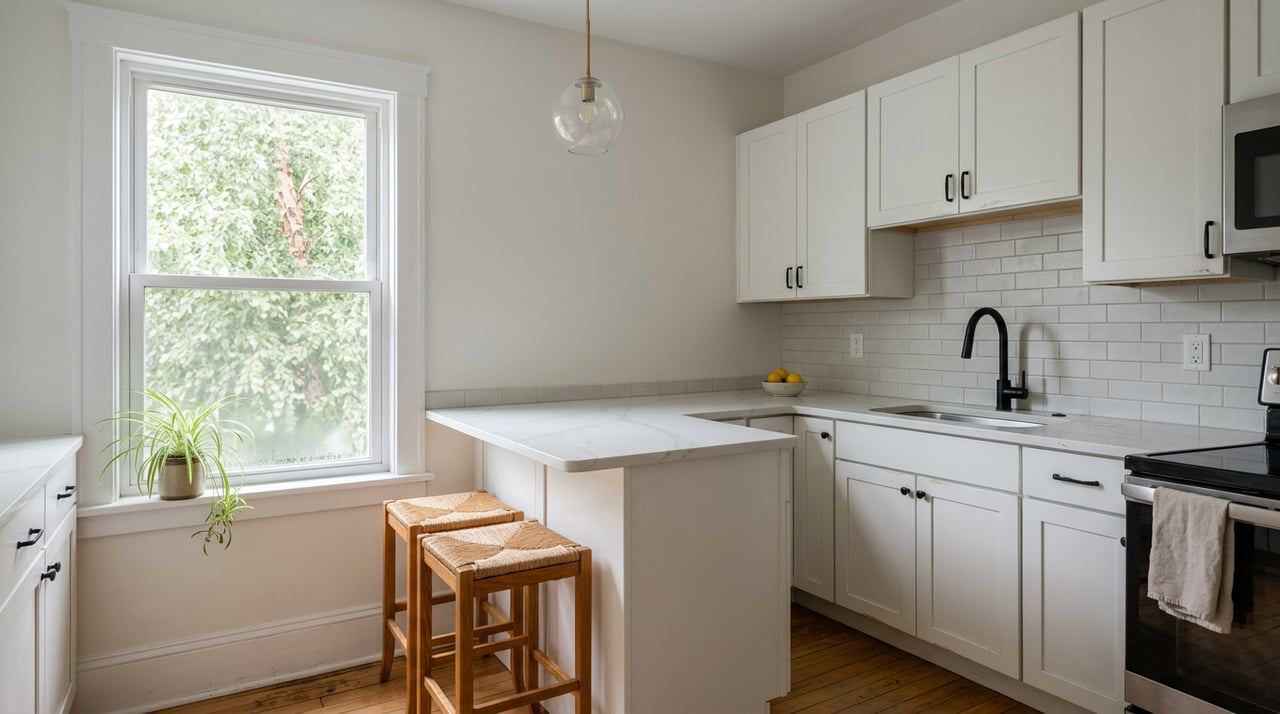
The homes that moved fast and commanded a premium share a trait: they'd already been updated. The homes that lingered and sold at a steep discount share a different trait: original systems, original finishes, decades of deferred maintenance built into the asking price. This isn't a coincidence tied to four addresses. It's a pattern tied to Hornell's housing stock overall, which skews heavily toward pre-World War II construction. When a city's inventory is that old, "the market" isn't one curve. It's two curves layered on top of each other, and the median is just where they happen to cross.
For a buyer, that means the $99,840 median tells you almost nothing about what you'll actually pay for a specific house. For a seller, it means your home's condition, not the neighborhood average, is what determines which of the two markets you're competing in.
The premium buyers are paying for updated homes in Hornell isn't happening in a vacuum. The city has spent the better part of a decade putting money and infrastructure behind exactly this kind of turnaround.
In 2019, Hornell was named a Southern Tier winner of New York's Downtown Revitalization Initiative, bringing a $10 million state grant into the city core. That funding has leveraged additional private investment in the years since, and one of the more visible results sits at 18 North Main Street: the Rockland Silk Mill, built in 1894 during Hornell's run as a silk manufacturing hub, sat vacant for years before being converted in 2021 into 23 loft-style apartments. It's the kind of adaptive reuse project that signals a downtown is worth investing in, and it's a short walk from the same Main Street where the renovated homes in that comp table are selling in weeks instead of months.
Alstom Transport, which assembles Amtrak's Acela trains at its Hornell facility, remains the area's anchor employer and gives the local economy a floor that a lot of small Southern Tier cities don't have. Steady employment supports steady demand for housing, and steady demand is part of why renovation-grade homes aren't just selling, they're selling fast.
The city has also put direct money behind fixing up its older housing stock rather than waiting for the market to do it. Hornell's Community Development Office runs a housing rehabilitation program open to owner-occupants of single-family homes in the city, and over the past seven years the city has put roughly $1.5 million in Community Development Block Grant funding toward heating, roofing, siding, windows and doors on existing homes. Separately, a partnership with the local BOCES Building Trades program has students construct a new home every year on a lot the city acquires through tax auction or the Steuben County Land Bank, with 13 homes built through that pipeline so far. None of that is charity. It's the city recognizing that in a market with this much pre-war housing stock, the difference between an original 1900 kitchen and an updated one is the difference between 24 days on market and 101.
If you're a buyer treating Hornell's median price as a benchmark, you're measuring the wrong thing. A $99,840 median doesn't mean you can expect to find a move-in ready three bedroom near that number. It means the number is an average of homes that needed real work and homes that didn't, and the ones that didn't are selling closer to $150,000 to $165,000 in the current market, in a matter of weeks. If your budget sits closer to the median, you're likely shopping in the older, unrenovated half of the market, and your offer should reflect the work still ahead of you, not the polished comps you saw on North Main.
If you're selling, the split market cuts the other way. A home that's been updated in the last decade isn't competing against Hornell's median. It's competing against the small pool of other updated homes, where days on market are short and buyers are moving fast because they know renovation-grade inventory doesn't sit. A home with original systems and finishes needs to be priced against the other half of the comp table, not against the aspirational number a seller might have seen on a portal.
Either way, the age and condition of the house in front of you matters more than the citywide average. That's true in most markets. It's especially true in one where the housing stock spans 130 years of construction standards.
Because so much of Hornell's inventory predates modern building codes, the inspection is where the two markets get sorted for real. Local inspectors like All SPAR Home Solutions, which serves Hornell and the surrounding Southern Tier, routinely flag the same handful of issues in older homes: knob and tube wiring that hasn't been updated, electrical panels that predate current safety standards, and private well or septic systems that haven't been serviced in years. None of these are automatic deal breakers, but they're exactly the kind of findings that explain why a house built in 1890 sells for $37 a square foot while one built in 1935 sells for $89. The gap isn't cosmetic. It's systems, and systems cost real money to bring current.
For a buyer, that means budgeting for a specialty inspection beyond the standard walkthrough if the home you're considering is on well water, septic, or has visible original wiring. For a seller, it means an inspection response is far more predictable if you already know what an inspector is going to find in a house this age, and addressing the big-ticket items before listing is often what moves a home from the Adsit Place side of the table to the North Main Street side.
Hornell's price drop isn't a story about the city losing value. It's a story about a shift in what's selling, and a reminder that in a market built on housing this old, condition does more work than location or square footage in determining what a home is actually worth. The homes getting bid up fast are the ones where someone already did the work. The homes sitting are the ones still waiting for it.
Knowing which side of that split your target home or your own listing falls on is the difference between a strategy that works in this market and a number pulled off a portal that doesn't apply to your situation at all.
If you're trying to figure out where your home falls in Hornell's current market, or whether a listing you're eyeing is priced for its condition, Justine Fox can walk you through the comps that actually apply to your situation. Request Your Free Home Valuation and get a read on where your property sits, not where the citywide average says it should.
Does a low sale price in Hornell always mean the home needs major work? Not always, but the pattern in recent sales strongly suggests it. Homes selling well below the $89 per square foot mark set by recently renovated properties are typically carrying original systems, aging roofs, or deferred maintenance that a buyer should plan to inspect closely.
How do I find out if a specific Hornell home already has updated electrical or septic systems? The seller's disclosure and the home inspection are your two best sources. For homes on well or septic, ask specifically whether those systems have documentation of recent service, since older systems this common in Hornell's housing stock don't always come with paperwork unless a previous owner kept it.
Real Estate
Dansville Home Prices in 2026: Cooling or Holding Steady?

Sellers
Should You Sell Your Wayland Home Before Winter?

Buyers
Is Buying an Older Home in Dansville, NY Worth It?

Real Estate
The Biggest Mistakes Livingston County Sellers Make
Get assistance in determining current property value, crafting a competitive offer, writing and negotiating a contract, and much more. Contact me today.