Comparing Hornell NY Home Styles: Older vs Newer
February 5, 2026
February 5, 2026
Torn between the charm of a classic Hornell house and the convenience of something newer? You are not alone. Many buyers weigh character, costs, and location before they choose. In this guide, you will learn the key differences, what to inspect, and how to decide which path fits your lifestyle and budget. You will also get a practical touring checklist to use at showings. Let’s dive in.
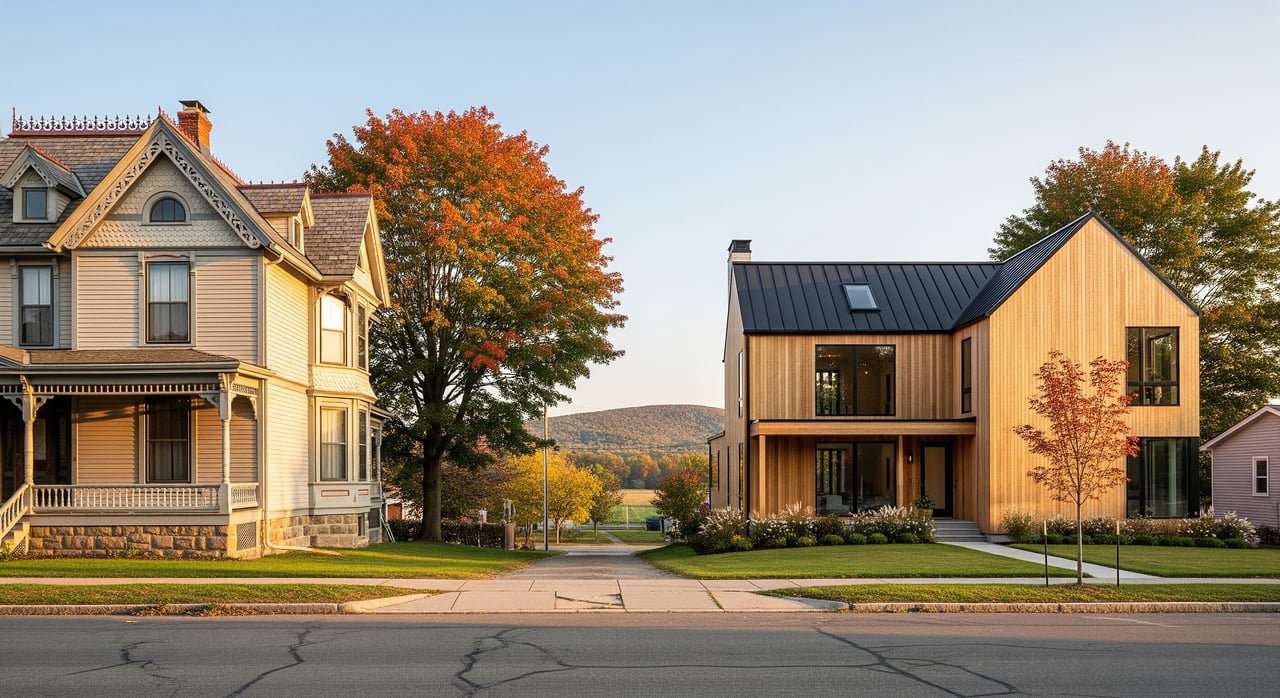
Hornell offers a mix of early 20th‑century village homes and more recent builds on the edges of town and in nearby communities. Older houses often give you architectural details, porches, and walkable streets. Newer homes tend to offer open layouts, attached garages, and modern systems. Prices and maintenance needs can vary, so your choice comes down to tradeoffs in location, lifestyle, and total cost of ownership.
Many older Hornell homes have formal rooms, such as a parlor and dining room, separate kitchens, and classic woodwork. Hallways and staircases can be narrower, and bathrooms may be smaller or fewer in number. Some have high ceilings, built‑ins, and generous front rooms, while others are compact worker cottages. You can often reconfigure spaces, but structural walls and older mechanicals can add cost to renovations.
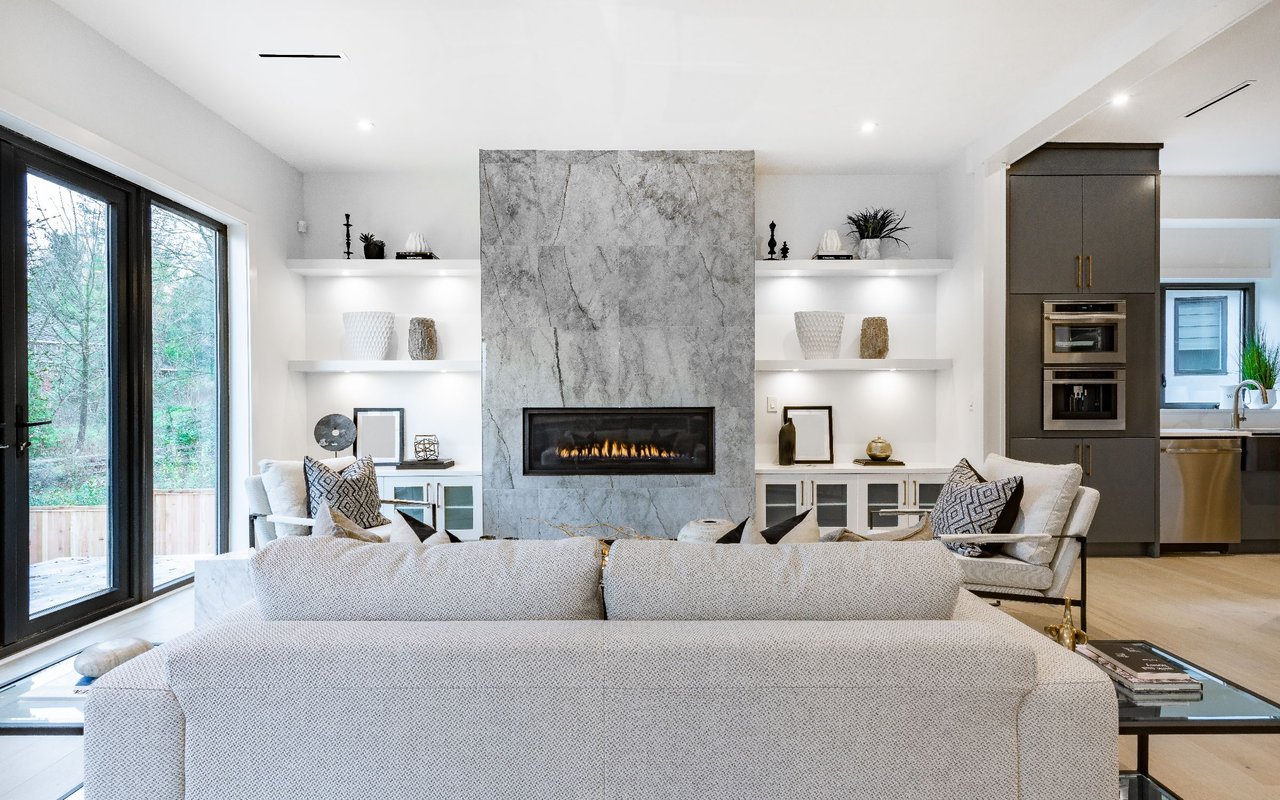
Newer homes usually offer open living areas, larger kitchens, and more bathrooms, often including an en‑suite. Closet space is bigger and hallways are wider. Single‑level ranch plans and modern two‑story layouts are common, and you are more likely to find an attached garage. These floor plans fit many contemporary needs, including work‑from‑home setups, with fewer immediate updates.
Older houses often need regular upkeep and periodic upgrades. You may see aging roofs, original windows, wood siding, or older flashing. Foundations can be stone or rubble with mortar that needs attention. Electrical systems may include knob‑and‑tube wiring or undersized service, and plumbing could be galvanized steel or cast iron. Heating can be older oil or gas systems, and many do not have central air. If the home predates 1978, plan for the possibility of lead paint and older materials that may contain asbestos. Budget for ongoing maintenance and a reserve for larger projects.
Newer homes tend to have lower near‑term maintenance if the builder quality is solid. You may see small punch‑list items, grading and drainage issues on newer lots, or warranty limitations. Mechanicals are modern and more efficient, but every system has a lifespan. Even newer homes can have workmanship issues, so inspections still matter.
Older properties may have limited insulation, single‑pane windows, and air leaks. Heating systems can be dated, which pushes winter bills higher. The biggest gains often come from attic insulation, air sealing, and an efficient heating system. Before you upgrade, check for incentives. New York homeowners can explore programs, rebates, and contractor lists through the New York State Energy Research and Development Authority. Learn more on the NYSERDA residents and homeowners page at the NYSERDA Residents and Homeowners portal.
For homes built before 1978, review lead paint safety guidance from the U.S. Environmental Protection Agency if you plan to renovate.
Newer homes are built to more recent codes, which usually means better insulation, efficient windows, and modern HVAC. Some homes also include features like high‑efficiency furnaces or heat pumps. Installation quality and how you use the home still affect your bills, so ask for utility history and verify equipment details during due diligence.
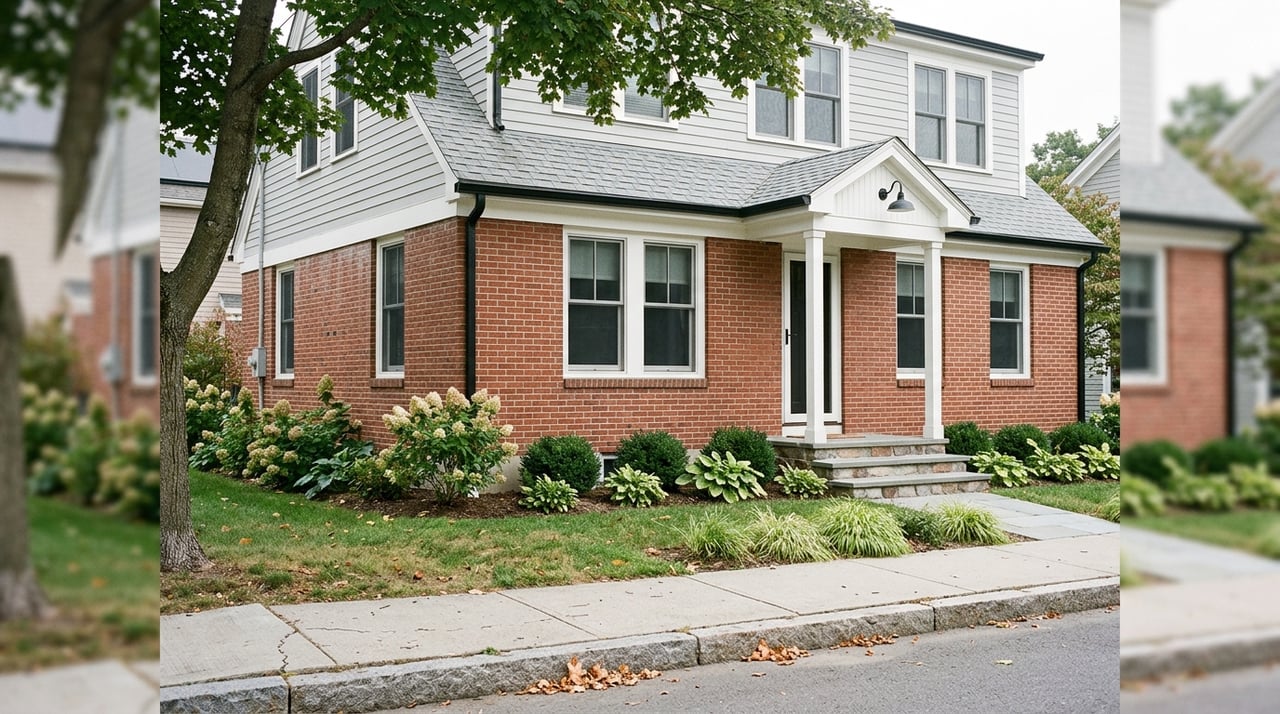
If you want proximity to downtown, local shops, and public services, older neighborhoods can be a good fit. You will find sidewalks, mature trees, and a traditional street grid. Lots can be smaller, and on‑street parking can be common. Street activity and traffic can vary by block, so visit at different times of day to get a sense of daily rhythms.
Homes on the edge of Hornell or in nearby towns may offer larger lots, more privacy, and newer infrastructure. You may see cul‑de‑sacs and uniform architectural styles. These areas can be less walkable, and trips to shops or services may require a car. Check for any homeowners association rules and ask about future planned development.
If a property sits near a creek or low‑lying area, review flood risk and insurance needs through the FEMA Flood Map Service Center.
Homes that need repairs may be eligible for renovation loan options like FHA 203(k) or Fannie Mae HomeStyle Renovation. Lenders can require certain safety or habitability fixes before closing, so plan your timeline and budget. Insurance premiums may be higher for houses with older roofs, wiring, or plumbing, and some carriers require upgrades to bind coverage. Ask your agent for replacement cost estimates, not just market value.
If the home is in a historic district or is individually listed, exterior changes may require approvals. In some cases, you may qualify for historic tax credits. Review guidance with the New York State Historic Preservation Office at the NYS SHPO website and confirm local rules with city planning before you design any changes.
Use this quick list during showings to compare older and newer options.
If you value walkability, porches, and period woodwork, an older Hornell home may be a great match. Plan for ongoing maintenance and target upgrades that improve comfort and efficiency. If you want an open floor plan, larger closets, and newer systems, you may prefer a newer home on the outskirts or in a nearby town. Your total cost of ownership will depend on purchase price, expected repairs, energy use, and location tradeoffs.
Make a side‑by‑side list of must‑haves, nice‑to‑haves, and deal breakers. Add a budget line for maintenance and upgrades. Then tour both options in the same week to compare how each home feels, how spaces would function for your daily routine, and what the likely first‑year projects will be.
When you want local insight, introductions to trusted inspectors, and patient guidance through each step, reach out to Justine Fox. Whether you are comparing village charm and modern comfort, or preparing to sell and move up, you will get clear advice and a plan that fits your goals.

Real Estate
Top REALTORS in Dansville, NY: How to Choose the Right Agent in 2026

Real Estate
Dansville, NY Lifestyle: What Daily Life Is Really Like in 2026

Real Estate
Dansville vs Wayland: Cost of Living Compared in 2026

Buyers
Is Now a Good Time to Buy a House in Dansville, NY | June 2026?
Get assistance in determining current property value, crafting a competitive offer, writing and negotiating a contract, and much more. Contact me today.