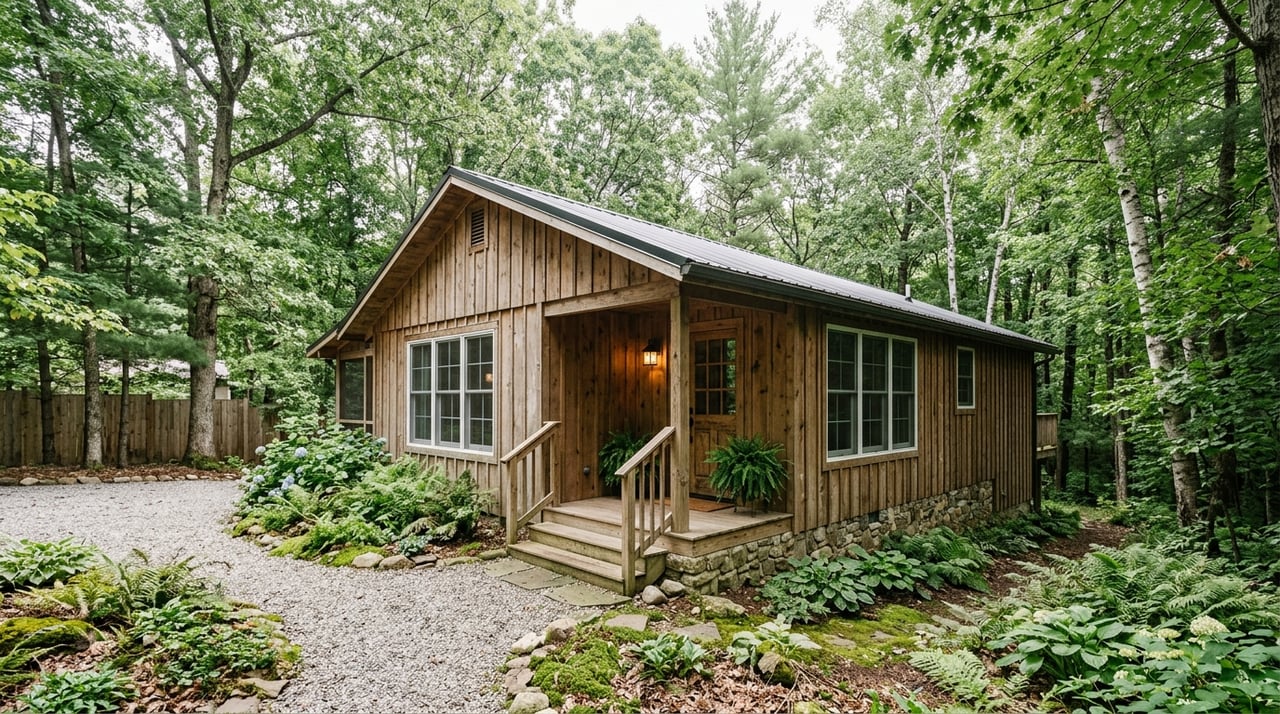
Springwater NY Land and Cabins: A Buyer’s Due Diligence Guide
May 7, 2026
May 7, 2026
Thinking about buying a piece of land or a cabin in Springwater? It can feel simple at first glance, especially when a property looks private, wooded, or ready for weekend use. But in Springwater, the real question is not just whether you like the property. It is whether the parcel can support what you want to do with it. This guide will help you understand the key due diligence steps before you buy, so you can move forward with more clarity and fewer surprises. Let’s dive in.
Springwater does not use conventional zoning in the typical way many buyers expect. According to Livingston County planning materials, the town instead relies on local laws covering minimum lot sizes, manufactured homes, sewer and water rules, subdivision regulations, and rental housing registration.
That means you should not assume a parcel is buildable just because it is listed as land or because it has a cabin on it already. In Springwater, each property deserves a close review of access, lot dimensions, utilities, permits, and environmental constraints before you close.
One of the first things to verify is whether the parcel meets Springwater’s basic dimensional rules. County planning materials list a 1-acre minimum lot size, with a 180-foot minimum lot width and 180-foot minimum lot depth.
Setbacks matter too. The same local summary lists a 25-foot setback from the road right-of-way and 10-foot side and rear setbacks. If you are buying a narrow, irregular, or heavily wooded parcel, these requirements can affect where a cabin, home, driveway, well, or septic area can realistically fit.
This is one reason a survey or plot diagram should move to the top of your checklist. Springwater’s building permit application asks for building locations, distances to property lines, lot description, and front-yard elevation relative to the road or highway.
A cabin may look usable, but appearance alone does not tell you whether the structure was properly permitted or approved for occupancy. Springwater code enforcement states that construction, renovations, alterations, additions, repairs, and demolitions require a building permit.
The town’s permit application also says no building may be occupied until a certificate of occupancy is issued. If you are buying an existing cabin, ask early whether permits were obtained for past work and whether a certificate of occupancy exists for the structure as it stands today.
That step is especially important if you plan to renovate, expand, or start using a seasonal structure more regularly. A quick early conversation with code enforcement can help you avoid inheriting someone else’s permit issue.
A beautiful lot does not help much if access is unclear or difficult to approve. Before you get attached to a property, confirm road frontage, easements, and which agency controls the road.
If the parcel fronts a county road, Livingston County requires a driveway permit to create or modify access. The county reviews factors like sight distance and drainage before approval. If the parcel fronts a state highway, a residential driveway permit is required through the New York State Department of Transportation.
For town-road questions, the town highway department is the local point of contact. This matters because driveway approval is not just a technical detail. It can shape whether your build plan is practical in the first place.
For many land buyers in Springwater, septic approval is one of the most important parts of due diligence. Livingston County materials say water supply systems and wastewater disposal systems must be installed under plans approved by the Livingston County Department of Health.
If the property will use a private septic system, the county’s application process requires design plans and county review before a permit is issued. County guidance also says the process commonly involves a licensed engineer, soil testing, and percolation testing.
Springwater’s building permit application adds another important point: a copy of the county septic or sewer permit must accompany new-home permit applications. It also says no residence may receive a certificate of occupancy without an approved septic system.
In plain terms, if septic does not work, your plans may not work either. That is why buyers should treat septic feasibility as a front-end issue, not something to sort out after closing.
Water access deserves the same level of attention as septic. Local planning materials state that wells must be at least 25 feet from a state, county, town, or private right-of-way, 10 feet from a side or rear lot boundary, and 100 feet from a tile field or septic system.
These spacing rules can limit layout options on some parcels. A property may have enough acreage on paper, but the actual usable building envelope may become tighter once you account for setbacks, well placement, septic area, slope, and access.
If the property may connect to public water or sewer, check that before closing too. Springwater’s water and sewer notice says the Livingston County Water and Sewer Authority assumed full responsibility for the town’s water and sewer systems on January 14, 2025, and that water and sewer permits must be obtained before work starts. Those permits are valid for one year.
Rural and recreational parcels often attract buyers because they offer privacy, woods, and natural beauty. But the same features that make a property appealing can also complicate building plans.
Livingston County planning materials specifically flag riparian buffers, wetlands, steep slopes, drainage, stormwater, and flood management as issues to review. If you are buying land for a future cabin, full-time home, or resale, it is smart to investigate these conditions before assuming the site is buildable.
This is especially true for parcels that seem attractively priced. Sometimes lower pricing reflects limits that are not obvious from a listing photo or a quick walk of the property.
Springwater buyers should also be aware that county planning materials indicate a sketch plan must be submitted to the town before a building permit or certificate of occupancy can be issued. That makes early planning more important than many buyers expect.
If you are still comparing several parcels, this is a good reminder to think beyond the purchase price. A property with clear dimensions, workable access, and simpler utility planning may offer a smoother path than a cheaper parcel with more unknowns.
If you are thinking about using a cabin as a rental property, make sure you understand Springwater’s local requirements. The town’s rental-housing law requires registration before a dwelling unit is occupied or rented.
The same law also requires inspections at least every 24 months. Owner-occupied single-family structures are exempt, but non-owner rental use should be reviewed carefully before you buy.
This is an area where your intended use really matters. A cabin for personal use, a seasonal getaway, and a future rental can each carry different practical steps.
Before you buy land or a cabin in Springwater, try to confirm these items as early as possible:
A careful review upfront can save you time, money, and frustration later. It can also help you compare properties more accurately, especially when one parcel looks cheaper but carries more development risk.
Buying rural land or a cabin is different from buying a move-in ready house in town. You are often evaluating not just the property itself, but also the path to using it the way you want.
That is where local market knowledge matters. A buyer-focused approach means asking practical questions early, helping you sort through the right local offices, and keeping your decision grounded in facts instead of assumptions.
If you are exploring Springwater or nearby Livingston County properties, working with someone who understands both the local market and the due diligence process can make the experience much more manageable.
If you are thinking about buying land or a cabin in Springwater, Justine Fox can help you evaluate the local market, compare properties, and approach the process with clarity from day one.

Real Estate
Top REALTORS in Dansville, NY: How to Choose the Right Agent in 2026

Real Estate
Dansville, NY Lifestyle: What Daily Life Is Really Like in 2026

Real Estate
Dansville vs Wayland: Cost of Living Compared in 2026

Buyers
Is Now a Good Time to Buy a House in Dansville, NY | June 2026?
Get assistance in determining current property value, crafting a competitive offer, writing and negotiating a contract, and much more. Contact me today.